
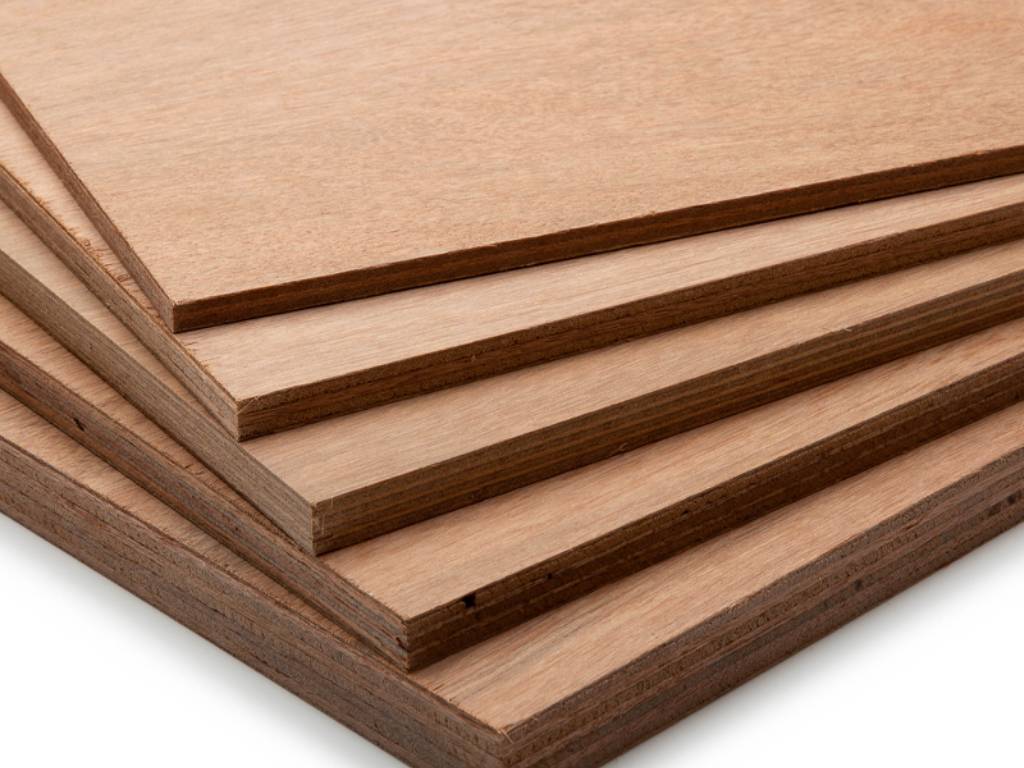
Plywood is one of the most widely used engineered wood products across construction, furniture manufacturing, packaging, and interior applications. However, choosing the right type of plywood is essential to ensure durability, performance, and cost efficiency.
Two of the most commonly used plywood types are Marine Plywood and Commercial Plywood. While they may appear similar, they are designed for very different applications and environments. Understanding these differences helps businesses select the right material for their specific needs.
What Is Marine Plywood?
Marine plywood is a high-grade plywood designed to withstand high moisture and humidity conditions. It is manufactured using selected hardwood veneers bonded with waterproof adhesives, resulting in a strong and durable panel.
Marine plywood is known for:
- High resistance to moisture
- Strong bonding and minimal voids
- Long-lasting structural integrity
It is commonly used in environments where exposure to water or damp conditions is expected.
What Is Commercial Plywood?
Commercial plywood is a versatile and cost-effective plywood used for general-purpose applications. It is manufactured with standard adhesives and suitable for indoor or low-moisture environments.
Commercial plywood is widely preferred due to:
- Affordable pricing
- Adequate strength for interior use
- Easy availability in standard sizes
It is ideal for applications where extreme moisture resistance is not required.
Choosing the Right Plywood Based on Application
For Moisture-Exposed Areas
Marine plywood is the best choice for applications exposed to water, humidity, or outdoor conditions, such as marine structures, kitchens, bathrooms, and coastal environments.
For General Interior Use
Commercial plywood is suitable for furniture, partitions, cabinetry, and interior fit-outs where moisture exposure is minimal.
For Packaging Applications
Commercial plywood is often used for packaging boxes, crates, and export packaging where strength is required but continuous water exposure is unlikely.
Durability & Performance Considerations
The lifespan of plywood depends on:
- Quality of raw materials
- Type of adhesive used
- Environmental conditions
- Proper installation and maintenance
Marine plywood typically offers longer service life in demanding environments, while commercial plywood performs reliably in controlled, indoor conditions.
Why Sourcing Quality Plywood Matters
Low-quality plywood may contain internal gaps, weak bonding, or inferior veneers, leading to early failure. Sourcing plywood from a reliable supplier ensures consistent thickness, strength, and performance across applications.
At Omni Trade FZE, we supply marine plywood, commercial plywood, and general plywood sheets that meet quality standards and application requirements for construction, packaging, and interior use.
Conclusion
Choosing between marine and commercial plywood depends on where and how the plywood will be used. Marine plywood is the right choice for moisture-prone environments requiring superior durability, while commercial plywood provides an economical and practical solution for general-purpose applications.
Understanding these differences helps businesses make informed decisions, control costs, and ensure long-term performance.
Frequently Asked Questions
Marine plywood is used in applications exposed to moisture, such as marine structures, kitchens, bathrooms, coastal buildings, and humid environments.
Commercial plywood is designed for indoor or low-moisture use and uses standard adhesives, while marine plywood uses waterproof adhesives and offers higher moisture resistance.
Marine plywood is highly moisture-resistant but not completely waterproof. Proper sealing and installation further enhance its performance in wet environments.
Commercial plywood is commonly used for packaging boxes and crates due to its strength, availability, and cost-effectiveness.
With proper usage and maintenance, quality plywood can last many years. Marine plywood generally lasts longer in harsh environments compared to commercial plywood.