
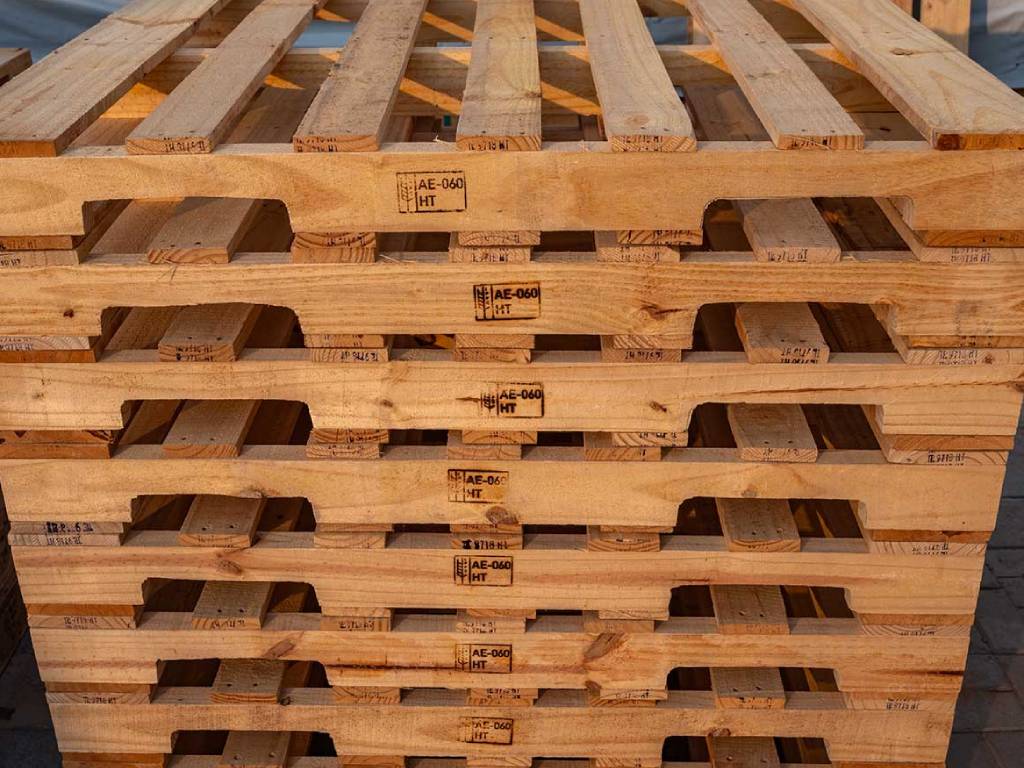
International shipping involves strict regulations designed to protect ecosystems, ensure cargo safety, and maintain trade standards. One of the most critical requirements for wooden packaging materials is heat-treated wood compliance.
For businesses involved in export, logistics, and international trade, understanding heat-treated wood and ISPM-15 standards is essential to avoid shipment delays, penalties, or cargo rejection.
What Is Heat-Treated Wood?
Heat-treated wood is timber that has been subjected to a controlled heating process to eliminate pests, insects, and larvae that may be present in raw wood. During treatment, the wood is heated to a minimum core temperature for a specified duration, ensuring it is safe for international transportation.
This process does not involve chemicals, making heat-treated wood an environmentally responsible and widely accepted solution for export packaging.
Understanding ISPM-15 Compliance
ISPM-15 (International Standards for Phytosanitary Measures No. 15) is a global regulation established to prevent the spread of invasive pests through wooden packaging materials.
Under ISPM-15:
- Wooden packaging must be heat-treated or fumigated
- Treated wood must carry an official ISPM-15 stamp
- Non-compliant packaging may be rejected at ports or destroyed
Compliance ensures smooth customs clearance and reduces the risk of shipment delays.
Why Heat-Treated Wood Is Essential for Export
Prevents Pest Transmission
Untreated wood can carry harmful insects that threaten agriculture and ecosystems. Heat treatment eliminates this risk.
Ensures Regulatory Compliance
Most countries require ISPM-15 compliance for wooden pallets, crates, and boxes used in international shipping.
Avoids Shipment Rejection
Non-compliant packaging can lead to cargo being delayed, returned, or destroyed at the destination port.
Improves Cargo Safety
Heat-treated wood is more stable and suitable for long-distance transport, especially in varying climates.
Products That Commonly Require Heat Treatment
Heat treatment is required for most solid wood packaging materials used in export, including:
- Wooden pallets
- Wooden crates
- Customized wooden boxes
- Plywood boxes (when solid wood components are used)
- Dunnage and support blocks
These products are commonly used across logistics, manufacturing, heavy equipment, and export-oriented industries.
Heat-Treated Wood in Long-Distance Shipping
International shipping often involves long transit times, temperature fluctuations, and humidity changes. Heat-treated wood performs reliably under these conditions, maintaining structural integrity and protecting goods throughout the journey.
This makes it a trusted solution for sea freight, air cargo, and cross-border logistics.
Conclusion
Heat-treated wood is not just a regulatory requirement—it is a critical component of reliable and compliant international shipping. By using ISPM-15 certified wooden packaging, businesses can protect their shipments, avoid costly delays, and maintain seamless global operations.
Choosing compliant, heat-treated wood solutions is an investment in efficiency, safety, and long-term trade success.
Frequently Asked Questions
Heat-treated wood is timber that has been heated to a specific core temperature to eliminate pests and insects, making it safe for international shipping.
ISPM-15 certification ensures wooden packaging meets international phytosanitary standards, preventing shipment rejection and ensuring smooth customs clearance.
Wooden pallets, crates, boxes, dunnage, and other solid wood packaging materials used for export typically require heat treatment.
Yes, heat-treated wood is stable, durable, and suitable for long-distance shipping across varying climate conditions.
Compliant products carry an official ISPM-15 stamp showing the treatment method, country code, and certification number from an authorized provider.